
Air travel plays a bigger role in our daily lives than we often think. The aviation sector connects us to medical care, supports local businesses, and acts as the economic engine for development across communities. To make that possible, airport runways, taxiways, and airfield systems must be engineered and built with precision to meet demanding, time-sensitive schedules and budgets. That’s not always easy.
Aviation projects move fast to support uninterrupted flight service—even when construction is underway. That’s where engineering design leans into thoughtful planning and problem-solving to maintain the flow of airport traffic.
Innovative Aviation Design Maintains Airport Efficiency
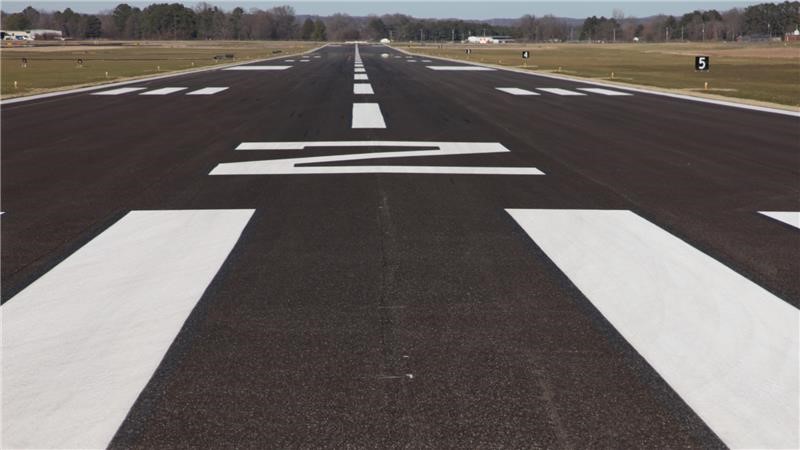
As airport traffic grows each year, innovation often becomes the key to staying on track. Take the reconstruction of Runway 2-20 at Jackson Regional Airport in Tennessee, for example.
Barge led the $21.7 million project to get the runway ready for a new airline’s inaugural flight scheduled with a firm deadline. During construction, crews discovered large areas of soil were “pumping” under equipment, which could cause significant project delays. Understanding the tight deadline and budget needs, Barge turned to aviation innovation, shifting the design from undercutting and soil replacement to soil-cement stabilization. This was a smarter, more efficient solution that strengthened the runway subgrade, saved money, and protected the schedule. This kind of creative thinking helped the airport avoid unnecessary delays.
Sustainable Aviation Design Supports Long-Term Value
Sustainability isn’t just good practice—it’s good engineering. Airports handle heavy loads and long service lives, so choosing durable, responsible materials benefits everyone. During the Runway 2-20 reconstruction, more than 90 percent of the existing asphalt was recycled. Reusing materials reduced landfill impact and saved costs, all while supporting a stronger final product. When sustainability is built into the design, airports gain long-term performance and communities gain the environmental benefits they expect.
Airport Complexities Are Managed Without Delays
Rebuilding an active runway requires a level of coordination that most people never see. Safety rules, airfield geometry, changing weather, subsurface conditions, and FAA standards all come into play. For Runway 2-20, the solution was thoughtful phasing. Approximately 60% of the runway stayed open while the other 40% was reconstructed, and traffic shifted to the crosswind runway when needed. Even as field conditions changed, the plan adjusted without compromising safety or flight schedules. That’s the value of disciplined planning and close coordination throughout construction—airports stay functional, predictable, and prepared.
Collaboration Keeps Aviation Teams Aligned
Good engineering doesn’t happen in isolation. Airport staff, geotechnical teams, surveyors, contractors, and engineering consultants each bring their own expertise, and projects move forward more smoothly when information is shared openly. The Runway 2-20 team stayed closely connected at every step, from geotechnical testing to grade verification to lighting upgrades. That collaboration kept the work aligned and helped the team respond quickly as conditions changed. When teams work this way, airports benefit from solutions that are both efficient and reliable.
Aviation Design Solves Problems Before Causing Delays
One of the biggest strengths in aviation design is the ability to see problems before they cause delays. Whether it’s evaluating stormwater flow, correcting runway profiles, or identifying soil issues early, thoughtful engineering reduces risk and protects schedules. Airports can’t afford unexpected downtime, and proactive planning helps avoid it. Addressing challenges early means fewer surprises, smoother operations, and a safer experience for those in flight.
Aviation design projects demonstrate the significant impact engineering can make. Economic development strengthens confidence in local air service and keeps communities connected—a positive outcome for everyone.
Contact us to learn more.


More Posts
5 Bridge Design Innovations for Faster and Safer Construction

The Latest FDOT Trends and Regulations Guiding Developments
