In a market that can shift overnight, manufacturers face constant pressure to remain fast, efficient, and resilient. Manufacturing is an industry heavily affected by economic, environmental, and technological factors. That’s where thoughtful design really makes a difference. By designing spaces that can easily adapt to future additions or changes in budget, engineers and architects can help manufacturers compete and grow with confidence.
Flexible Facility Design Protects Long-Term Growth
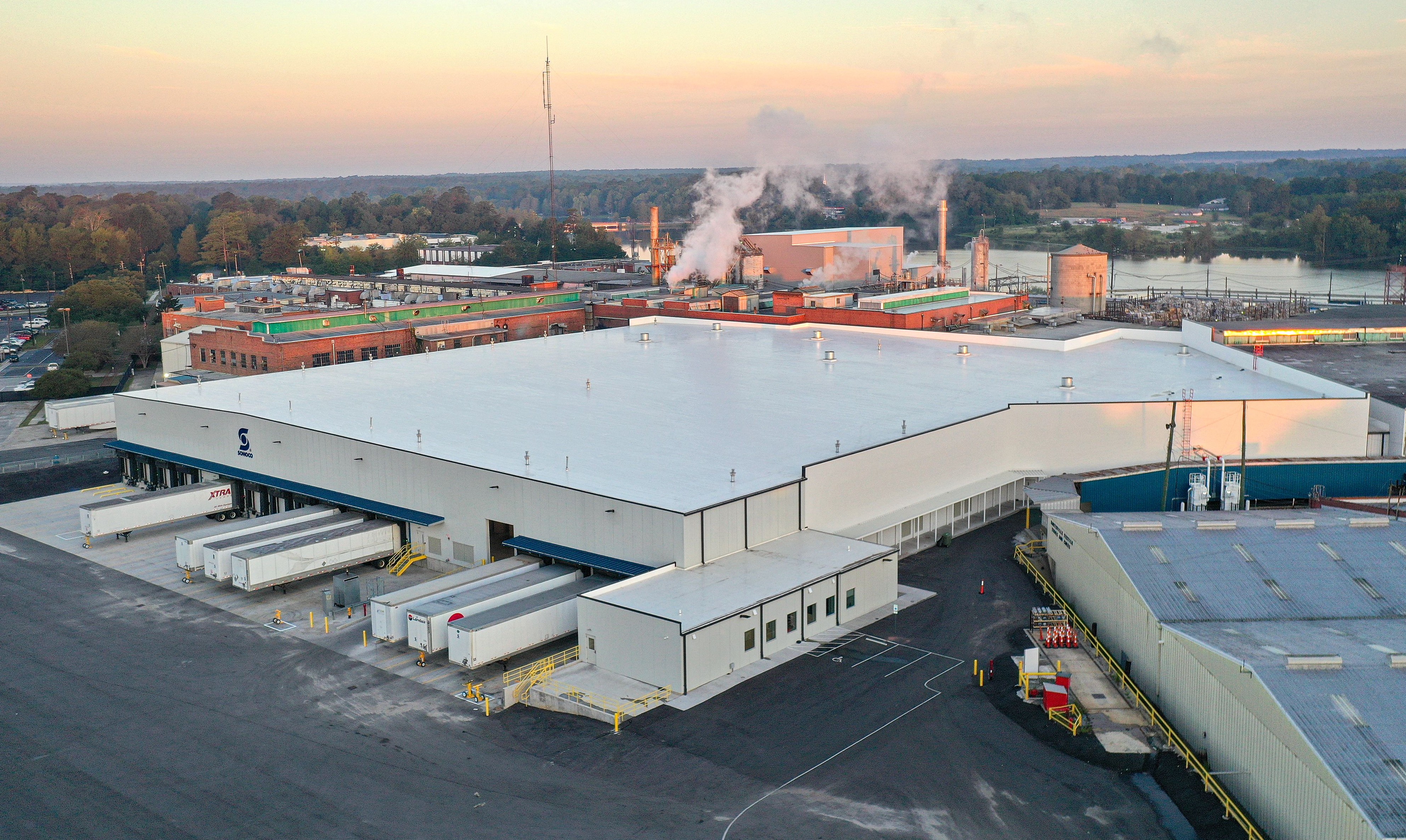
Manufacturing facilities designed for adaptability help manufacturers sustain growth as technology advances and supply chains evolve. That’s why many new shell buildings are designed for quick reconfiguration, with features such as dual dock and grade-level access points, solar-ready structural systems, and slabs built to support heavy equipment. Keeping dimensions like square footage, clear heights, and bay sizes consistent provides flexibility from day one. Together, these design choices make future modifications smoother, minimizing downtime and avoiding costly renovations.
Technology Boosts Efficiency and Performance
Manufacturers that think ahead can limit the cost and disruption of unexpected setbacks. Today’s design teams are using digital tools to sharpen plans before construction even begins. Technologies such as Building Information Modeling (BIM) allow teams to simulate design and manufacturing lifecycles, giving stakeholders a clearer picture of a project during the design process. This visibility improves coordination across design teams and helps anticipate design and operational challenges early, saving time, money, and resources. The result is smart decisions about facility planning, structural systems, and production layouts that improve efficiency from day one.
Supply Strategies Strengthen Reliability
Manufacturers are taking a closer look at supply networks to reduce risk and improve predictability in the wake of supply chain shifts. Investing in digital tools to monitor supply helps manufacturers anticipate needs and respond more proactively. Partnering with prefabrication suppliers and building strong relationships with material providers can help stabilize pricing and keep timelines on track. Many companies also diversify their supplier base to limit disruptions during supply issues. These efforts allow manufacturers to build resilient supply networks capable of supporting long-term growth.
Energy Solutions Helps Ensure Stability
On the energy side, small modular reactors (SMRs) are emerging as a practical new option for powering large industrial facilities. Unlike traditional nuclear plants, SMRs are smaller, factory-built, and designed to be installed on-site or nearby. This allows companies in energy-intensive industries—such as chemicals, steel, automotive, and data centers—to access reliable, carbon-free baseload power without relying on additional transmission infrastructure. As energy demands rise and grid constraints increase, SMRs are quickly becoming a realistic solution to deliver long-term, stable, and sustainable power.
Education Supports Future Planning
Universities and colleges can play a big role in preparing talent for what’s next in manufacturing. When education reflects real-world technology, students graduate with practical skills and a clear understanding of where the industry is headed. Embedding supply chain principles into design curriculum strengthens that foundation. It equips emerging professionals to think beyond the building and consider sourcing, logistics, and operational flow from the start. The result is a new generation of designers who are adaptable, informed, and prepared to support next-generation manufacturing.
Looking Forward to Community Impact
Future-ready facilities do more than support manufacturing growth; they also encourage a steady outlook for nearby communities. Manufacturers help these communities thrive by creating jobs, supporting local suppliers, and investing in local development. Strategies that prioritize long-term resilience help ensure that growth continues even as market conditions change. Consumers can make an impact by supporting local businesses and staying flexible as manufacturers navigate inflation and shifting demand. These efforts position manufacturers and their communities for lasting success.
Contact us to learn more.


More Posts