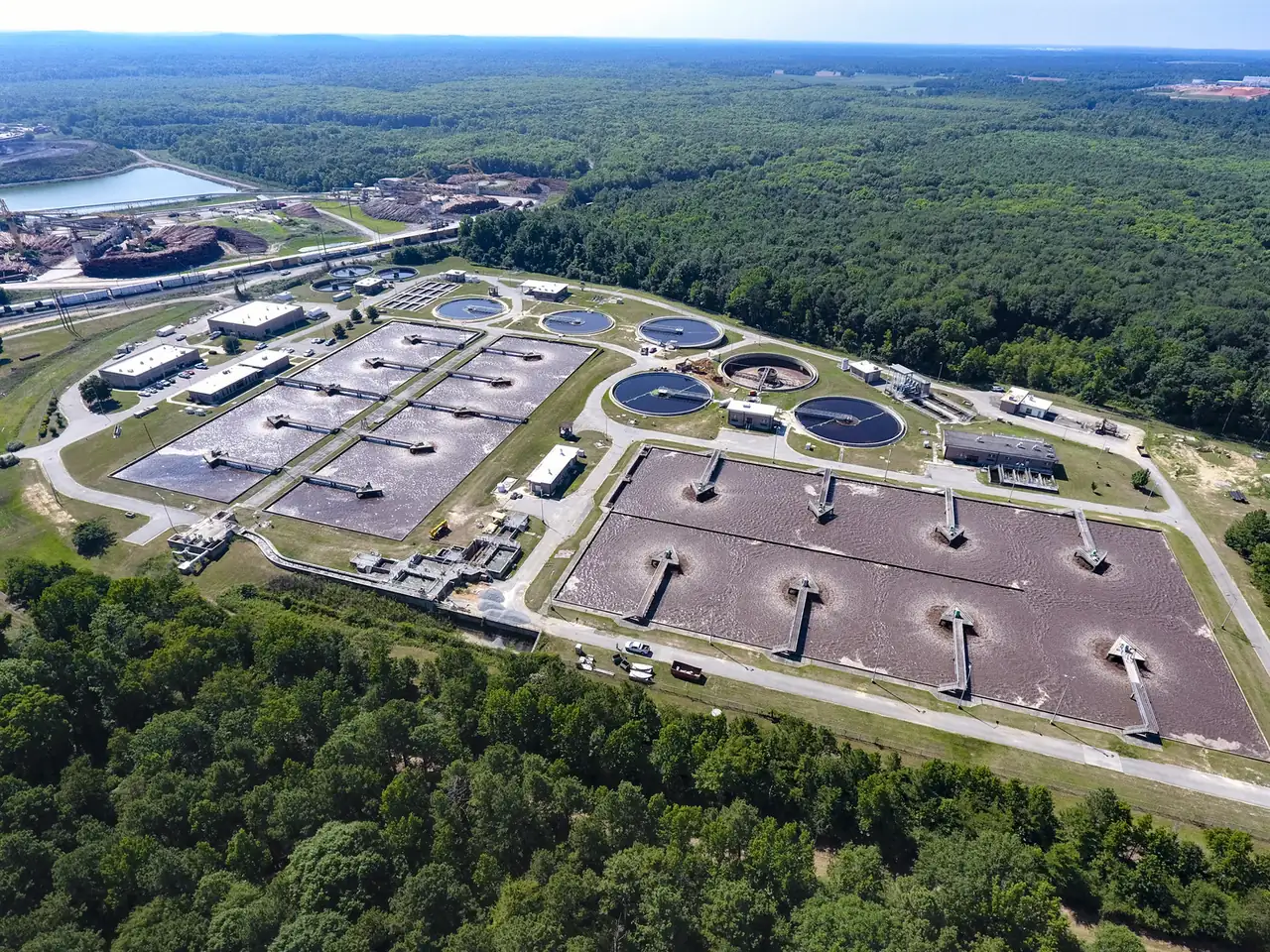
Water reuse has long been an environmental, social, and governance priority for manufacturers. Now, it’s also becoming a smart business strategy.
Droughts in the southwestern U.S., population growth, and rising demand are putting pressure on water resources. As fresh water becomes less available and more expensive, manufacturers face new challenges in maintaining production, controlling costs, and planning for growth.
Water reuse offers a practical solution. By treating wastewater for reuse in the same process, manufacturers can get more value from the water they already have. It starts with understanding a facility's water needs and identifying where reuse can deliver the greatest value to the business. A process chemical engineering professional experienced in the complexities of water treatment, wastewater contaminants, regulatory requirements, system design, and facility operations can then help unlock the benefits manufacturers can gain with water reuse.
Reduce a Manufacturer’s Reliance on Fresh Water
Manufacturing facilities depend on reliable water supplies for production, cooling, cleaning, and other daily operations. As demand increases and water supplies tighten, relying solely on freshwater can pose challenges. Water reuse gives manufacturers another source to draw from by capturing and treating wastewater for their processes.
To get started, manufacturers should evaluate where treated wastewater can be reused, test treatment options to meet process needs, and monitor key water quality parameters to maintain performance and protect equipment. Not every wastewater stream is suitable for reuse, so proper sampling and analysis are essential to determine if you can turn wastewater into a resource.
Evaluate Investments and Operating Costs for Improved Efficiency
Water costs go beyond what a facility pays for its supply. Manufacturers also incur expenses for wastewater treatment, discharge, pumping, utilities, and moving water throughout their operations. Reusing treated wastewater can reduce freshwater purchases and wastewater discharges, creating opportunities for savings.
But the economics have to make sense. The balance between capital investment and ongoing operating expenses varies case by case. A process chemical engineer helps evaluate treatment needs, chemical and energy costs, and potential reuse opportunities to determine whether the investment delivers a worthwhile return. The right approach can improve water-use efficiency while managing long-term operating costs.
Protect Production and Strengthen Business Resilience
Water availability directly affects a manufacturer's ability to maintain production. Supply disruptions, environmental factors, growing needs, and changing discharge requirements can create operational risks. A well-planned water reuse strategy provides an additional layer of protection by lowering dependence on a single water source. It also gives manufacturers greater control over their water supply, helping them prepare for changing conditions and unexpected challenges.
Support Communities Long into the Future
Manufacturers are part of the communities they serve, and their water needs can affect the resources available to residents, businesses, and future development. Reducing demand on shared water supplies helps support more sustainable growth for everyone.
Water reuse helps manufacturers within a community look beyond their own immediate operational needs. By evaluating water use, identifying reuse options, and planning for future capacity, facilities can develop practical strategies that support business growth while protecting the quality of life in their communities.
Good business begins with making the most of every resource. It begins with evaluating your existing water and wastewater streams, identifying potential reuse opportunities, and developing a treatment approach tailored to your operational needs. To explore whether water reuse makes sense for your facility, contact us.
FAQ
What is water reuse in manufacturing?
Water reuse in manufacturing involves treating wastewater generated by facility operations so it can be used again in the same process or another application. Depending on water quality and process requirements, reuse can reduce freshwater demand and wastewater discharge.
What are the benefits of water reuse for manufacturers?
Water reuse can help manufacturers reduce freshwater purchases, lower wastewater discharge volumes, improve water-use efficiency, and strengthen operational resilience. It can also support more sustainable use of shared community water resources.
Can manufacturers reuse wastewater in their production processes?
Yes. Treated wastewater can be reused in certain manufacturing processes, depending on its quality, the intended application, and applicable regulatory requirements. Sampling, testing, and treatment evaluations help determine whether a wastewater stream is suitable for reuse.
Does industrial water reuse save manufacturers money?
It can. Reusing treated wastewater may reduce freshwater purchases, wastewater treatment and discharge costs, and other water-related operating expenses. However, the financial benefits depend on treatment requirements, capital investment, energy and chemical costs, and long-term operating expenses.
How can manufacturers determine whether water reuse is right for their facility?
Manufacturers should evaluate existing water and wastewater streams, identify potential reuse applications, assess water quality, and compare treatment requirements with expected costs and savings. A process chemical engineer can help evaluate these factors and develop an approach tailored to the facility.
How does water reuse help manufacturers prepare for water shortages?
Water reuse provides an additional source of process water, reducing dependence on freshwater supplies. This can help manufacturers manage supply disruptions, changing water availability, and future operational demands.
More Posts

Making Florida Stormwater-Ready for Hurricane Season

Building Relationships Launch Engineering Careers Beyond the Career Fair