
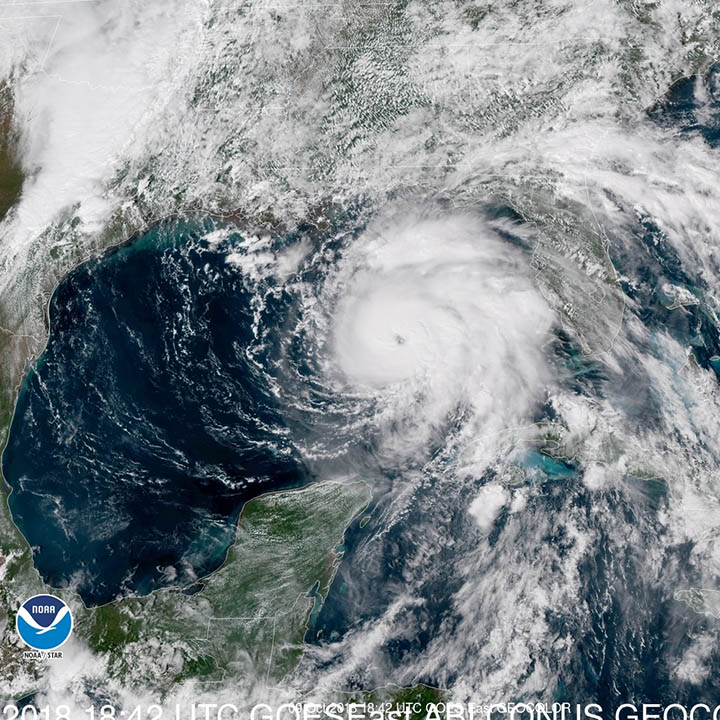
When a hurricane hits, the wind and rain are just the beginning of what communities weather. Intense rainfall and already-saturated ground can overwhelm drainage systems, leading to widespread flooding that strains infrastructure, disrupts service, and threatens public safety.
In 2018, Hurricane Michael damaged much of the Florida Panhandle, exposing vulnerabilities in stormwater and wastewater infrastructure. This storm reinforced the need for municipalities to proactively plan for resilient infrastructure to protect communities and maintain operations. Here are three ways cities are now reducing risk and better preparing for hurricane stormwater surges.
Identify Water Treatment Infrastructure Vulnerabilities
Insufficient protection can put pump stations and treatment plants at risk of flooding. Water infrastructure should be regularly evaluated for signs of aging, such as corrosion or structural cracks. Identify the need for upgrades or relocations by assessing pump performance, drainage capabilities, and projected flood levels. Determining whether systems have the capacity and flexibility to withstand severe storm events can help prevent future failures.
Use Data to Strengthen Decision-Making
Advanced technology can help community leaders better understand and prepare for extreme weather. Water experts help guide decision-making by using hydraulic modeling to identify flood-prone areas and simulate the severity of flooding. This leads to finding workable solutions that can improve planning efforts. Geographic Information Systems (GIS) mapping combines satellite imagery and storm modeling, providing greater visibility into the storm’s path and impact. Data is analyzed to forecast future demand and investments, ensuring that systems along the storm's path are well-equipped.
Prepare Today’s Stormwater Infrastructure for Tomorrow’s Storm
Long-term planning is the best investment to protect communities against hurricane storm surge, flooding, and other damage. Proactive measures, such as developing emergency response plans and implementing backup power solutions, like generators or battery storage, can help maintain critical services during outages. Upgrading critical infrastructure, such as elevating pump stations above flood-prone areas or replacing aging pipes, can further reduce destructive impacts while improving system reliability during and after the storm.
Municipalities must take a proactive approach to stormwater management before, during, and after hurricane season to maintain water systems. By using data-driven technology and conducting routine utility assessments, communities are better protected by stormwater and wastewater infrastructure that is built to last.
Contact us to learn more about stormwater management.
FAQs
What can Hurricane Michael teach communities about stormwater preparedness?
Hurricane Michael demonstrated how vulnerable stormwater and wastewater infrastructure can be during severe weather events. Heavy rainfall overwhelmed drainage systems, causing major flooding and power outages that affected critical services. The storm exposed gaps in backup power systems, emergency response plans, and floodproofing, reinforcing the need for proactive planning and infrastructure improvements before hurricane season begins.
Why is it important to assess stormwater infrastructure before hurricane season?
Assessing stormwater infrastructure before hurricane season helps municipalities identify risks before a storm threatens the community. Regular evaluations can reveal facilities that may need upgrades or relocation due to flood vulnerability. Reviewing infrastructure condition, aging assets, and system resilience helps communities better prepare for severe weather and reduce the likelihood of service disruptions during major storms.
How can municipalities identify vulnerable stormwater and wastewater facilities?
Municipalities can identify vulnerable facilities through routine infrastructure assessments. These evaluations should examine factors such as flood exposure, system condition, signs of aging, and overall resilience. By understanding which pump stations, treatment plants, or other assets are most at risk, communities can prioritize improvements that help protect essential services during extreme weather events.
What happens when drainage systems are overwhelmed during a hurricane?
When drainage systems are overwhelmed by heavy rainfall, flooding can occur throughout the community. During Hurricane Michael, flooding and power outages affected stormwater and wastewater operations, causing pump stations to become inoperable and contributing to service disruptions. Overwhelmed treatment facilities also increased the risk of water contamination, highlighting the importance of resilient infrastructure and emergency planning.
How does hydraulic modeling support hurricane preparedness?
Hydraulic modeling helps communities better understand and prepare for flooding caused by extreme weather. By identifying flood-prone areas and simulating the severity of potential flood events, hydraulic modeling provides valuable information for planning and decision-making. This data can help municipalities evaluate risks and make informed choices about infrastructure improvements and stormwater management strategies.
What role does GIS mapping play in stormwater planning?
GIS mapping helps communities visualize how storms may affect infrastructure and surrounding areas. By combining satellite imagery with storm modeling, GIS provides greater visibility into storm paths and potential impacts. Municipalities can use this information to better understand vulnerabilities, support planning efforts, and make more informed decisions about future infrastructure investments.
How can data improve stormwater management decisions?
Data can improve stormwater management decisions by helping municipalities better understand risks and future needs. Information gathered from hydraulic modeling, GIS mapping, and storm analysis can be used to evaluate vulnerable areas and forecast future demand. This allows communities to plan investments more effectively and help ensure infrastructure is prepared for severe weather.
What are some ways communities can reduce hurricane-related infrastructure risks?
Communities can reduce hurricane-related infrastructure risks through proactive planning and targeted improvements. Strategies discussed in the blog include conducting routine utility assessments, developing emergency response plans, implementing backup power options such as generators or battery storage, and upgrading vulnerable infrastructure. These measures can help maintain essential services during and after major storms.
Why are backup power systems important during hurricane season?
Backup power systems are important because hurricanes can cause widespread power outages that affect critical infrastructure. Hurricane Michael revealed gaps in backup power capabilities that contributed to operational challenges. Implementing solutions such as generators or battery storage can help support essential systems when utility power is unavailable, reducing disruptions during severe weather events.
What is the best long-term approach to stormwater resilience?
Long-term planning is the best approach to improving stormwater resilience. Developing emergency response plans, investing in backup power solutions, upgrading infrastructure, and routinely assessing utility systems can help communities better withstand hurricane impacts. Combined with data-driven technologies and proactive stormwater management practices, these efforts support infrastructure that can continue functioning during and after severe weather.


