
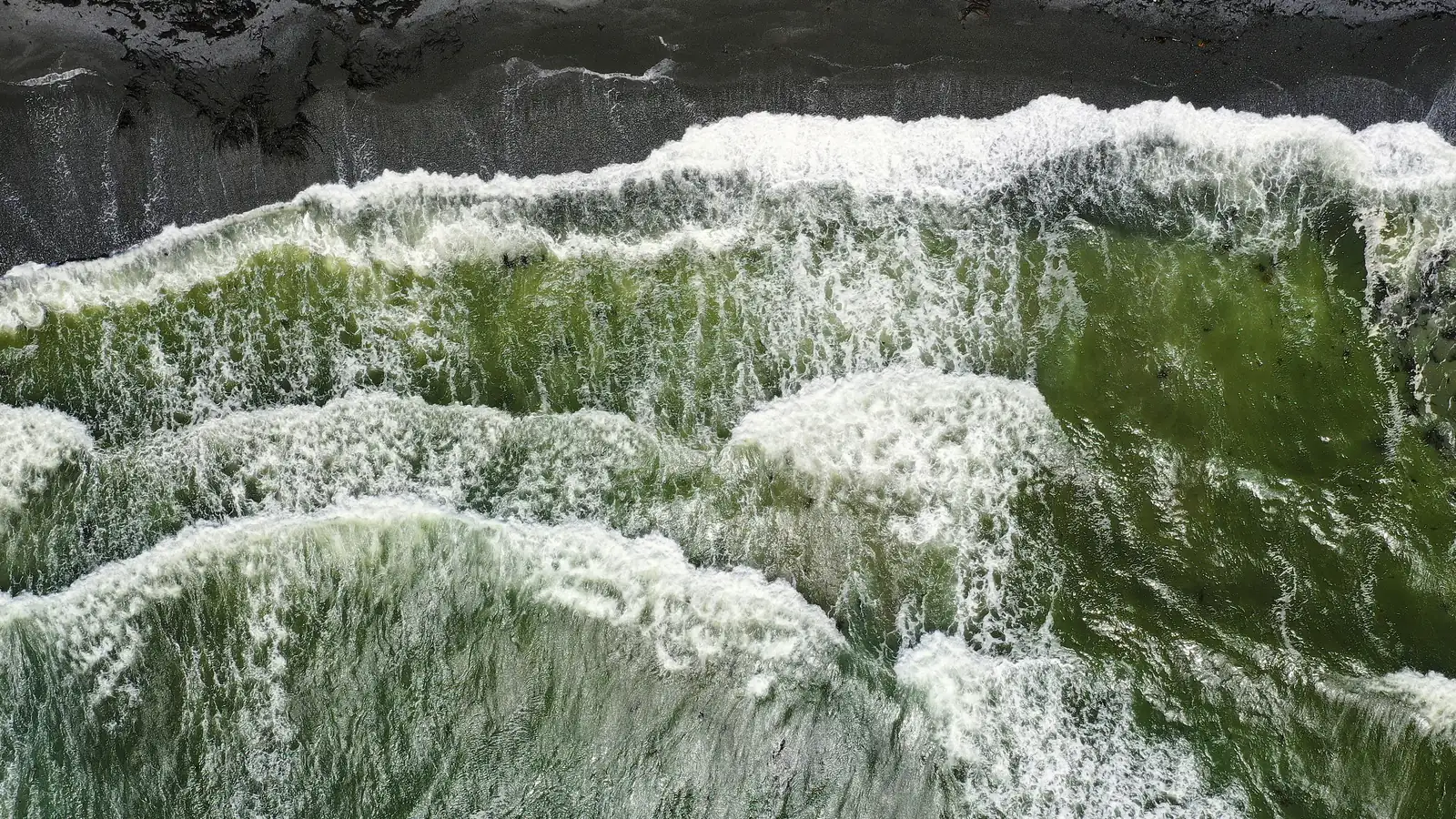
Clean water makes our lives better. It keeps families healthy, supports thriving ecosystems, and sparks economic growth. Even so, water sources are threatened every day. Aging infrastructure, natural disasters, and population growth can negatively impact water quality. In coastal areas, groundwater pumping and wastewater systems deliver new contaminants to water sources every day.
Fortunately, there’s a lot we can do to improve water quality.
Infrastructure improvements, long-term planning, and quality monitoring go a long way in protecting water quality in our communities and ecosystems. Here’s a few engineering solutions that address today’s common water quality challenges on the coast.
Manage Groundwater for Quality Community Drinking Water
Groundwater pumping supplies quality potable water for communities. As populations increase along the coast, the demand for groundwater extraction grows with it. When excessive pumping occurs, it can lead to saltwater intrusion into freshwater aquifers, resulting in salty-tasting brackish water.
Removing salts and dissolved minerals calls for reverse osmosis treatment, a more expensive process than conventional freshwater treatment. Preventing saltwater intrusion from the start is one of the best ways to maintain an affordable drinking water supply. Using real-time monitoring, utilities detect rising salinity levels early and respond before intrusion becomes a larger problem.
Prepare Infrastructure for Stormwater Challenges
Stormwater infrastructure keeps coastal waters clean by capturing, conveying, storing, and treating runoff before it reaches bays, estuaries, and beaches. These systems help reduce pollutants, such as phosphorus and nitrogen, which can fuel algal blooms and degrade water quality. Since stormwater originates from many sources—rainfall, hurricanes, and flooding—managing it is a real challenge. This is especially true in aging systems. When infrastructure can’t keep up, stormwater runoff contributes to water quality problems and harms marine life.
Proactive master planning efforts help address these challenges by identifying infrastructure updates every five to ten years. This helps plan for growth, trends, treatment, distribution, and collection needs for a 20–30-year period. Hydraulic modeling can further support these efforts by helping municipalities evaluate system performance and make informed decisions about future growth and infrastructure investments.
Find New Solutions to Address Wastewater Challenges
Septic tank effluent in rural areas poses challenges for groundwater. It can affect drinking water supplies and introduce contaminants into intercoastal waters, harming marine life. Many treatment systems were not designed to withstand major storms, and efforts to improve their resilience can be costly.
To work around this ongoing threat, Florida is funding infrastructure projects across the state to eliminate the use of septic tanks. Through “Septic to Sewer” initiatives, communities are replacing septic systems and installing gravity or low-pressure sewer columns for residential customers and businesses.
Protect Coastal Water Quality with Smarter Monitoring
Protecting coastal water quality begins with proactive planning, resilient infrastructure, and advanced monitoring technology. Real-time systems continuously track changes in water conditions, identifying trends and detecting contamination. Tools, such as continuous water quality sensors, automated samplers, remote telemetry stations, GIS dashboards, and mobile field monitoring, measure key indicators, like nutrients, salinity, and bacteria.
By delivering timely, actionable data, these technologies open the door to faster decisions, protecting public health, coastal ecosystems, and community water systems.
To learn more about clean water initiatives, contact us.
FAQ
What factors are putting pressure on coastal water quality?
Clean coastal water is being challenged by aging infrastructure, natural disasters, population growth, groundwater pumping, and wastewater infrastructure issues. These factors can introduce new contaminants into coastal areas and make it more difficult to maintain coastal water quality. While these pressures cannot be completely avoided, updated infrastructure, future planning, and water quality monitoring are being used to help protect communities and ecosystems.
How does groundwater pumping affect coastal water quality?
Groundwater pumping supports the drinking water supply, but excessive pumping can affect coastal water quality by allowing saltwater intrusion into freshwater aquifers. As coastal populations grow, demand for groundwater extraction increases. When saltwater enters these aquifers, it creates brackish water, which requires additional treatment before it can be used as potable water.
What is saltwater intrusion, and why is it a concern?
Saltwater intrusion occurs when saltwater enters freshwater aquifers, often as a result of excessive groundwater pumping. This process creates brackish water that is more difficult and costly to treat than freshwater. Preventing saltwater intrusion helps protect freshwater aquifers and supports a more affordable drinking water supply for coastal communities.
How is brackish water treated?
Brackish water treatment is commonly performed using reverse osmosis treatment. This process removes salts and dissolved minerals from the water, making it suitable for use. Although reverse osmosis is effective, the blog notes that it is more expensive than conventional freshwater treatment, which is why preventing saltwater intrusion remains an important goal.
Why is stormwater management important for clean coastal water?
Stormwater management helps protect clean coastal water by capturing, conveying, storing, and treating runoff before it reaches bays, estuaries, and beaches. These systems help reduce pollutants such as phosphorus and nitrogen that can contribute to algal blooms and poorer water quality. Effective stormwater infrastructure also helps reduce harm to marine life and supports healthier coastal ecosystems.
How does stormwater runoff contribute to water quality problems?
Stormwater runoff can carry pollutants into coastal waters when infrastructure is unable to adequately manage and treat the flow. Runoff may originate from rainfall, hurricanes, and flooding, making stormwater management particularly challenging. When aging systems cannot keep pace with these demands, water quality problems can develop and negatively affect marine life.
What role does master planning play in coastal water infrastructure?
Master planning supports water quality management by helping communities update infrastructure and prepare for future growth. The blog explains that proactive planning efforts can provide infrastructure updates every five to ten years while addressing treatment, distribution, and collection needs over a 20- to 30-year period. These efforts help coastal communities better manage long-term water resource needs.
How does hydraulic modeling support water resource planning?
Hydraulic modeling assists municipalities with growth management and long-term infrastructure planning. By developing and calibrating hydraulic models, communities can support master planning efforts and better evaluate treatment, distribution, and collection requirements. This approach helps guide decisions needed to maintain and improve coastal water infrastructure as populations grow.
How do septic systems affect coastal waterways and drinking water supplies?
Septic tank effluent can create water quality challenges by affecting groundwater and introducing contaminants into intercoastal waters. According to the blog, these impacts can affect the drinking water supply and harm marine life. In addition, many wastewater treatment systems and septic systems were not originally designed to withstand major storms, creating further infrastructure resilience concerns.
What are Septic to Sewer projects?
Septic to Sewer projects are infrastructure initiatives funded in Florida to reduce the use of septic tanks in areas where effluent is leaching into the ground. These projects aim to remove existing septic systems and install gravity or low-pressure sewer systems for residential and business properties. The goal is to reduce contamination risks affecting groundwater and coastal water.
How is water quality monitored in coastal communities?
Water quality monitoring can be performed in real time using a range of technologies that help track trends and identify contamination risks. Tools such as continuous water-quality sensors, automated samplers, remote telemetry stations, GIS dashboards, and field/mobile monitoring. These technologies can monitor indicators including nitrogen, phosphorus, turbidity, dissolved oxygen, temperature, salinity, and bacteria to support faster responses.
More Posts