The road to burn recovery can be long. Patients may spend days, weeks, or even months in a clinical setting, undergoing painful procedures and extensive rehabilitation. Burn injuries also take an emotional toll on the patients and their families. When burn unit design prioritizes clinical requirements over human experience, it can overlook autonomy, privacy, and opportunities for healing. The result is an environment that feels isolated and stressful, rather than supportive.
Respite areas are an often-overlooked component of the healing journey. Whether through family lounges, outdoor courtyards, quiet rooms, reflection areas, or play spaces, these environments give patients, families, and staff an opportunity to step away from the stress of the clinical setting and focus on emotional well-being during some of their most challenging days. Through thoughtful planning, healthcare designers can incorporate respite environments that support emotional well-being alongside clinical care.
Comfortable Respite Areas Support Emotional Well-Being
A successful respite space should remind the patient of the final step of recovery—home. By removing them from the sights, sounds, and equipment associated with treatment, family lounges and quiet rooms offer a mental break from the clinical setting. Design features, such as adjustable lighting and soft furnishings, help create an atmosphere that reduces stress. This benefits not only the patient but also family members and caregivers.
Access to Nature Eases Anxiety During Burn Unit Stays
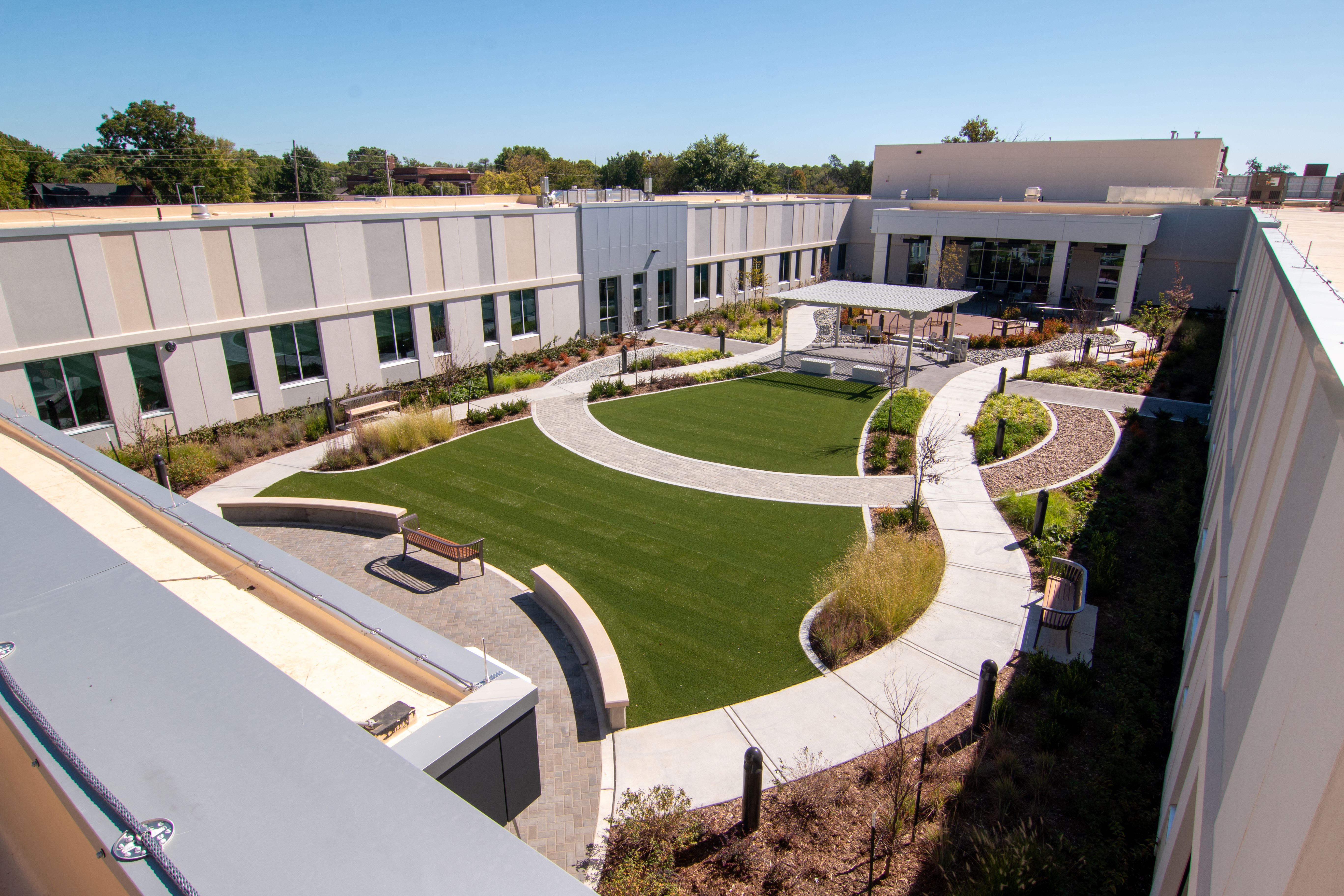
Depending on the severity of their injuries, burn victims can spend upwards of eight weeks in recovery. During that time, access to fresh air, sunlight, and nature can be limited. Outdoor courtyards strategically located near patient care areas provide a place to reconnect with the world beyond the hospital. Walking paths support rehabilitation goals, while benches and covered areas offer places for rest and relaxation. Even thoughtfully planned windows to maximize natural light can reduce the feeling of isolation during extended stays. Together, these design elements allow patients a look into life beyond recovery, improving overall well-being.
Kid-Inclusive Design Helps Reduce Fear During Burn Recovery
Hospitalization can be especially unsettling for children. Long stays can disrupt their schooling, friendships, and important developmental experiences, creating emotional challenges alongside physical healing. Pediatric respite areas can help restore a sense of normalcy by providing spaces that feel less clinical and more familiar. Comfortable furnishings, vibrant colors, and engaging artwork create a welcoming atmosphere, while dedicated play areas allow children to socialize and express themselves without constant reminders of medical care.
Because pediatric burn units can host entire families, parents and caregivers need respite areas where they can recharge, connect, and find moments of relief outside the hospital room. When children are given the opportunity to simply be children, their confidence and emotional recovery are better supported throughout their journey.
Thoughtful design helps transform moments of uncertainty into moments of healing, providing patients and families with spaces that inspire hope throughout recovery. Beyond clinical requirements, burn units should be designed with the patient's experience in mind. Creating separate respite spaces that offer comfort, privacy, and a sense of normalcy supports the patient and their loved ones beyond injury.
To learn more about burn unit design, contact us.
FAQs
What are respite areas in burn unit design?
Respite areas are dedicated spaces within or connected to burn units that allow patients, families, and staff to step away from the stress of the clinical environment. These spaces can include family lounges, outdoor courtyards, quiet rooms, reflection areas, and play spaces. Their purpose is to support emotional well-being by providing opportunities for comfort, privacy, and relief during the recovery journey.
Why are respite spaces important for burn recovery?
Respite spaces are important because burn injuries affect emotional well-being as well as physical health. Patients often spend extended periods in clinical settings undergoing treatment and rehabilitation. Areas designed for respite help reduce feelings of isolation and stress by offering space away from medical equipment and clinical activity, giving patients and families opportunities to focus on healing and emotional recovery.
How can family lounges and quiet rooms support healing?
Family lounges and quiet rooms support healing by providing a mental break from the sights, sounds, and equipment associated with treatment. These spaces are designed to create a more comfortable atmosphere that feels closer to home. Features such as adjustable lighting and soft furnishings can help reduce stress for patients, family members, caregivers, and others who spend long periods in the hospital.
What design features make a respite space more comfortable?
Comfortable respite spaces prioritize features that help create a calming and supportive environment. Adjustable lighting and soft furnishings can contribute to a less stressful atmosphere, while spaces that feel separate from the clinical setting can provide emotional relief. A successful respite area is designed to remind patients of life beyond treatment and promote a sense of comfort during recovery.
How does access to nature benefit patients in burn units?
Access to nature can help reduce feelings of anxiety and isolation during extended burn unit stays. Outdoor courtyards provide opportunities to experience fresh air, sunlight, and a connection to the world outside the hospital. Walking paths can support rehabilitation goals, while seating areas offer places to rest and relax. These elements help patients and families maintain a sense of connection beyond the clinical environment.
Can natural light improve the experience of long hospital stays?
Yes, access to natural light can improve the experience of long hospital stays by helping reduce feelings of isolation. Thoughtfully planned windows that maximize daylight provide patients with visual connections to the outside world, which can make extended recovery periods feel less confined. Combined with other nature-focused design elements, natural light contributes to overall well-being during recovery.
How does pediatric burn unit design support children during recovery?
Pediatric burn unit design supports children by creating spaces that feel less clinical and more familiar. Long hospital stays can interrupt important childhood experiences, including school, friendships, and development. Respite areas with comfortable furnishings, vibrant colors, engaging artwork, and dedicated play spaces can help restore a sense of normalcy while supporting emotional well-being alongside physical healing.
Why are play spaces important in pediatric burn units?
Play spaces are important because they give children opportunities to socialize, express themselves, and engage in familiar activities during recovery. These dedicated areas help reduce constant reminders of medical care and create a more welcoming environment. By allowing children to simply be children, play spaces can support confidence and emotional recovery throughout their healing journey.
How do respite areas support families and caregivers?
Respite areas support families and caregivers by providing places to recharge, connect, and find moments of relief outside the patient room. Burn recovery can involve extended hospital stays, making it important for loved ones to have access to comfortable spaces away from the clinical setting. These environments help address the emotional challenges families face while supporting their ability to care for patients.
What role does thoughtful burn unit design play in patient recovery?
Thoughtful burn unit design helps create an environment that supports both clinical care and the patient experience. Beyond meeting treatment requirements, well-designed burn units include separate respite spaces that provide comfort, privacy, and a sense of normalcy. These elements help transform moments of uncertainty into opportunities for healing, supporting patients and their loved ones throughout the recovery process.


More Posts

How AEC Graduates Are Finding Meaningful Careers—Not Just Filling Positions

Top 5 Skills for Today’s Architecture Graduates